Date: 2026
Client: TMT Insights
My Role: Director, Brand + Creative
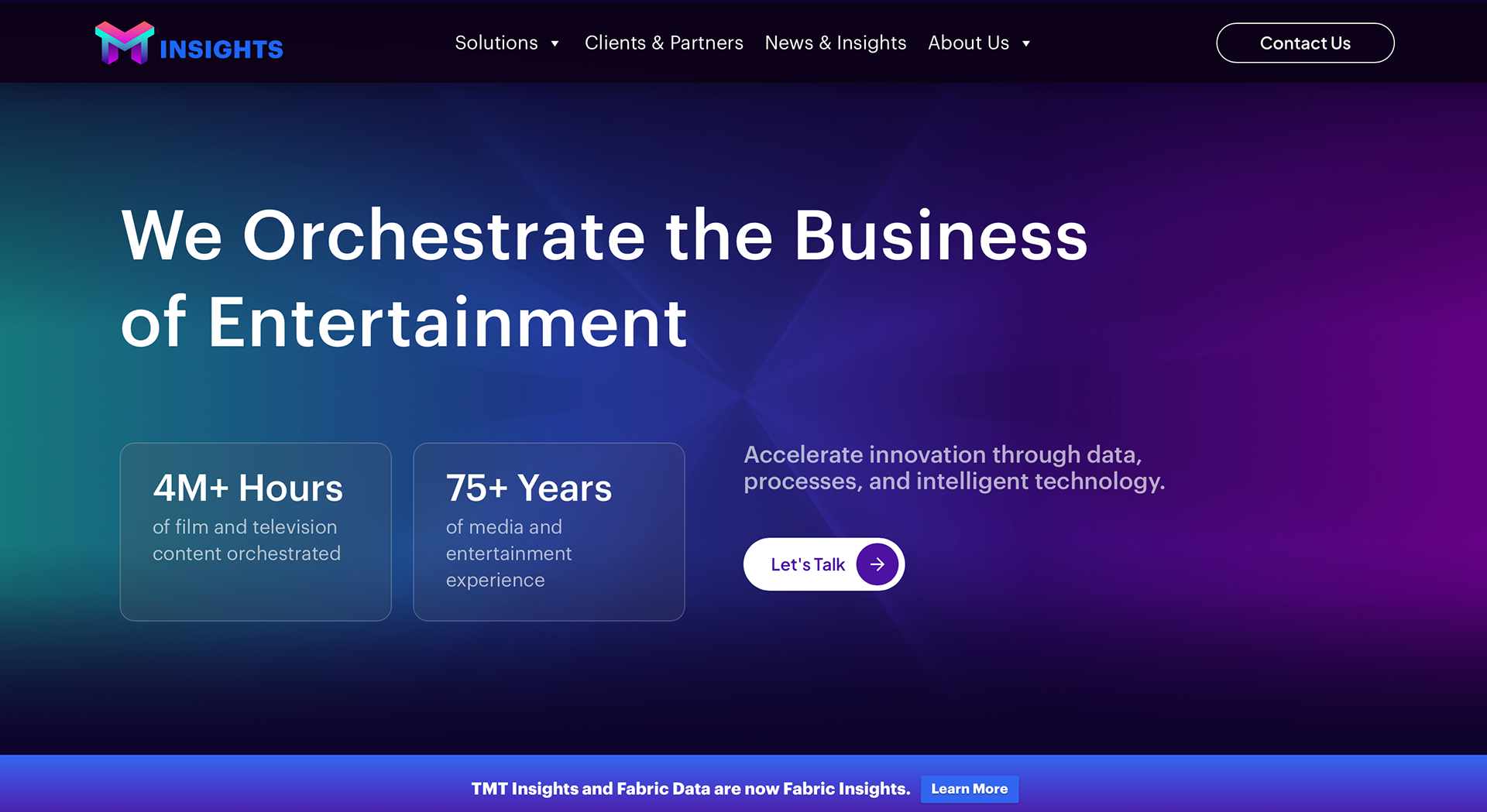
Project: "We Orchestrate the business of entertainment" TMT Insights
Situation: TMT Insights had real substance behind it. Its Polaris and Focus platforms and its implementation and advisory expertise support how organizations like Sky, BBC Studios, Crunchyroll, and A+E Global Media run their operations. But the brand hadn't kept up with the business. The market didn't have a clear, consistent picture of who TMT was or why it mattered.
Task: I was brought in to change how the market saw TMT Insights. That meant defining what the company stood for, saying it clearly, and making sure every touchpoint said the same thing.
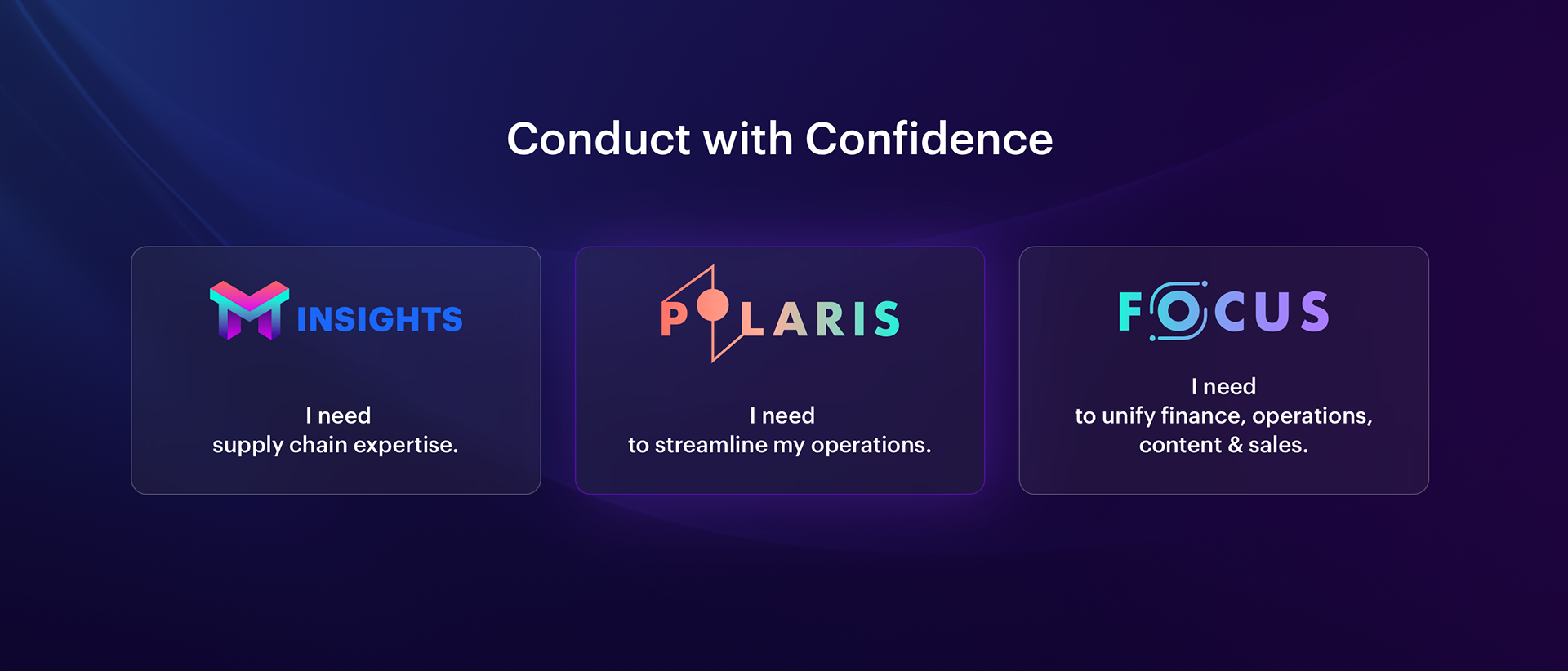

Action: I started with the story. I built a new brand narrative and wrote the company's new tagline: "We orchestrate the business of entertainment." It gave TMT one clear idea to own and a lens for everything that followed.
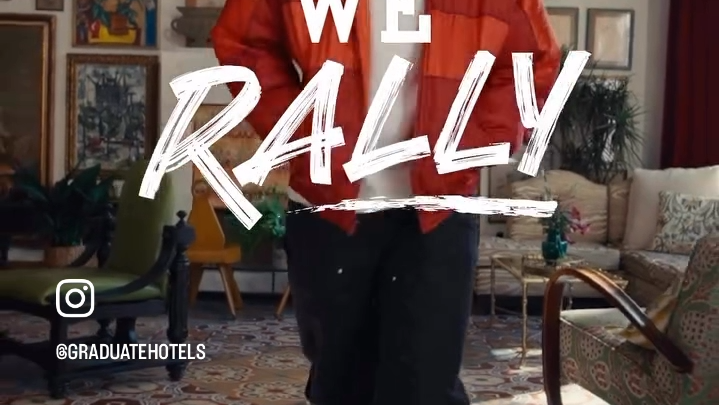
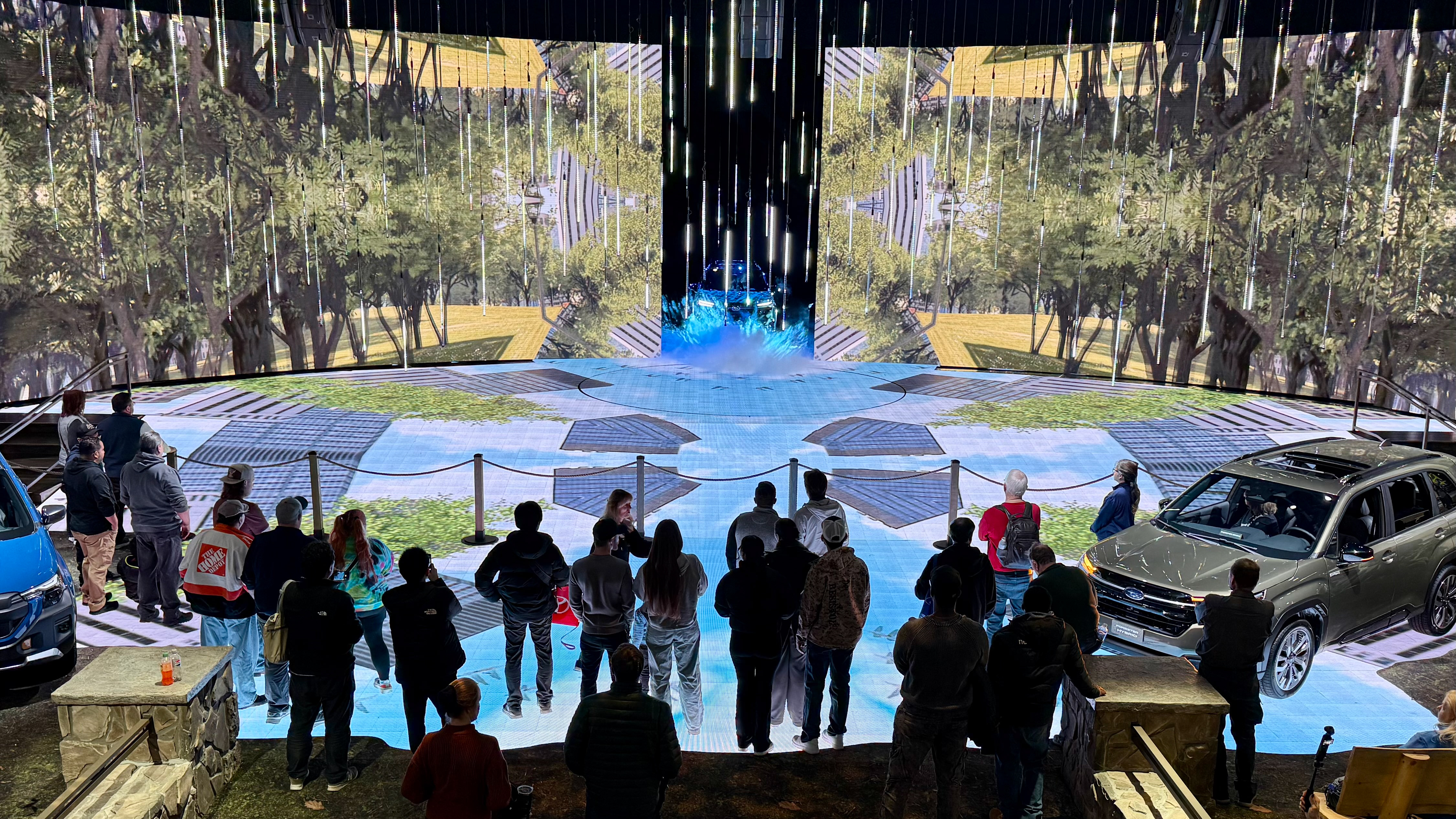
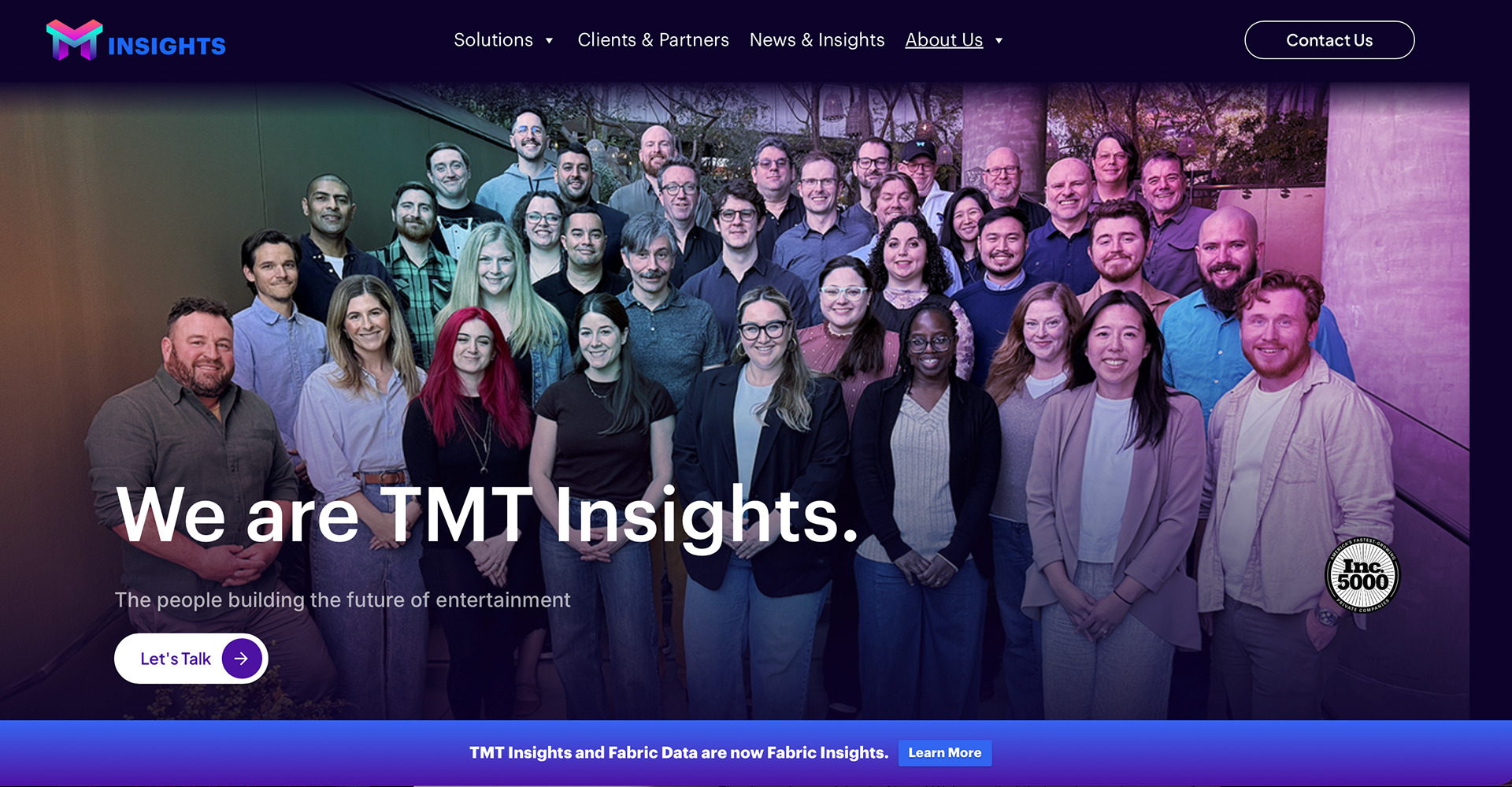
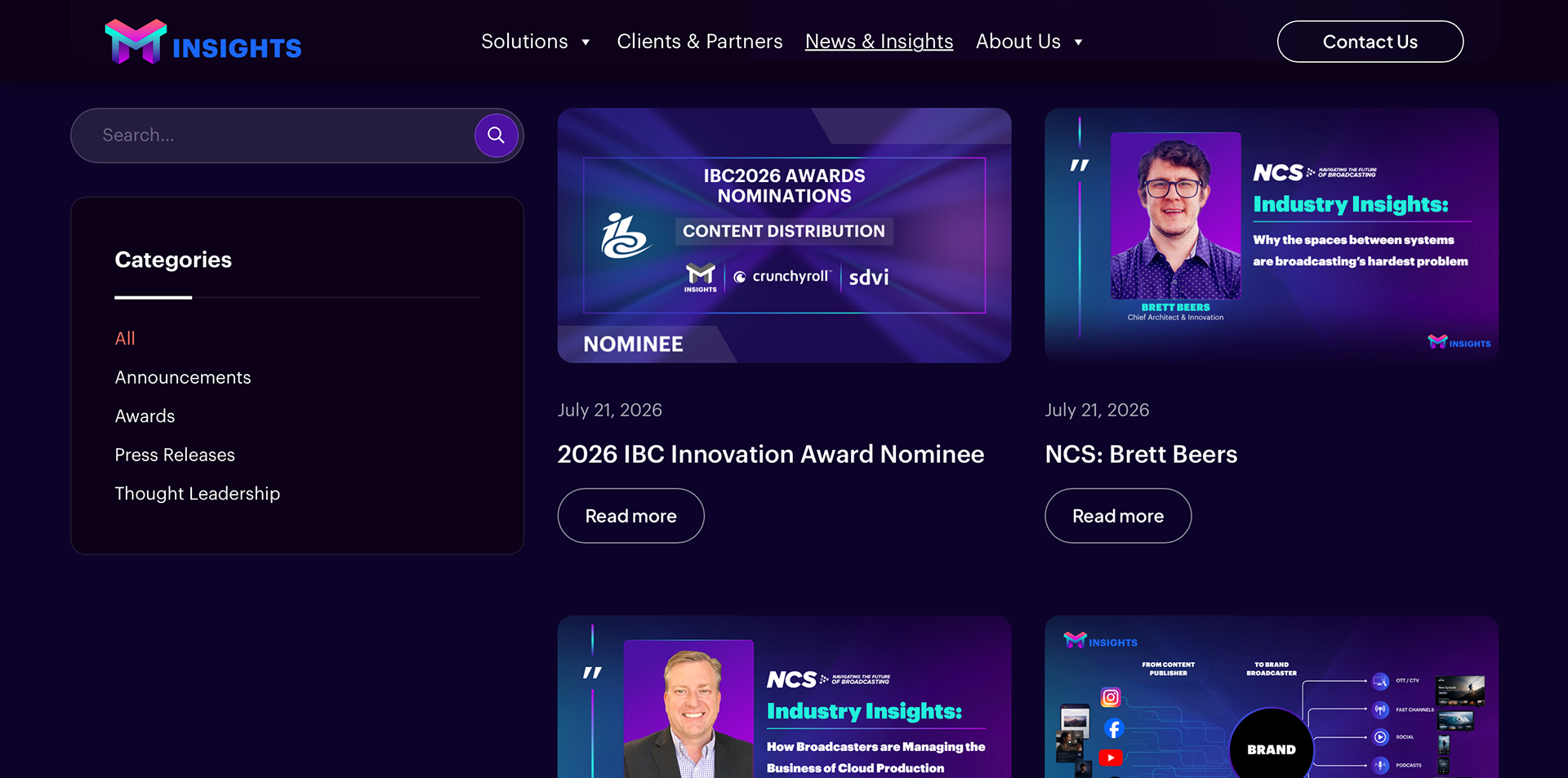
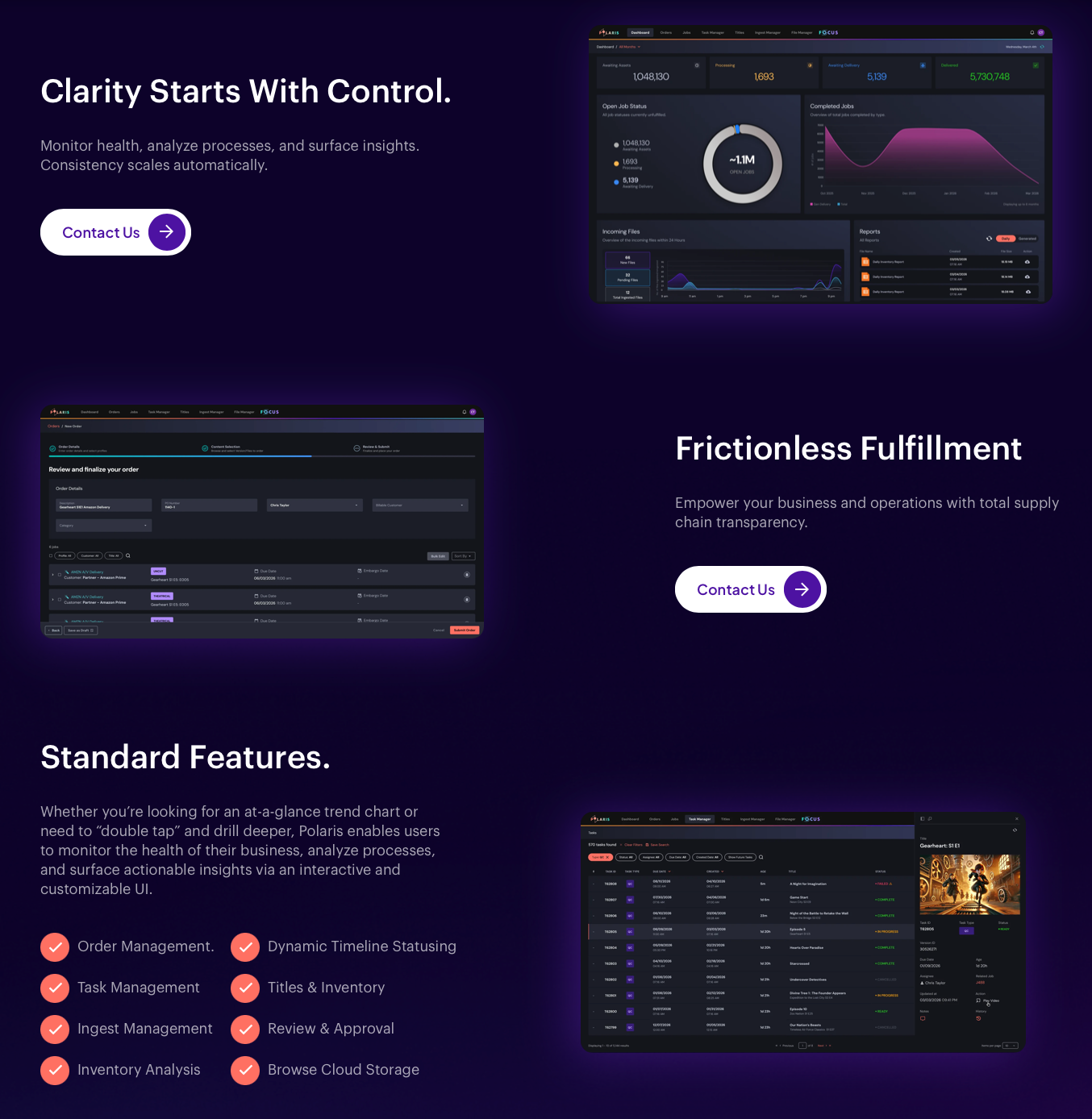
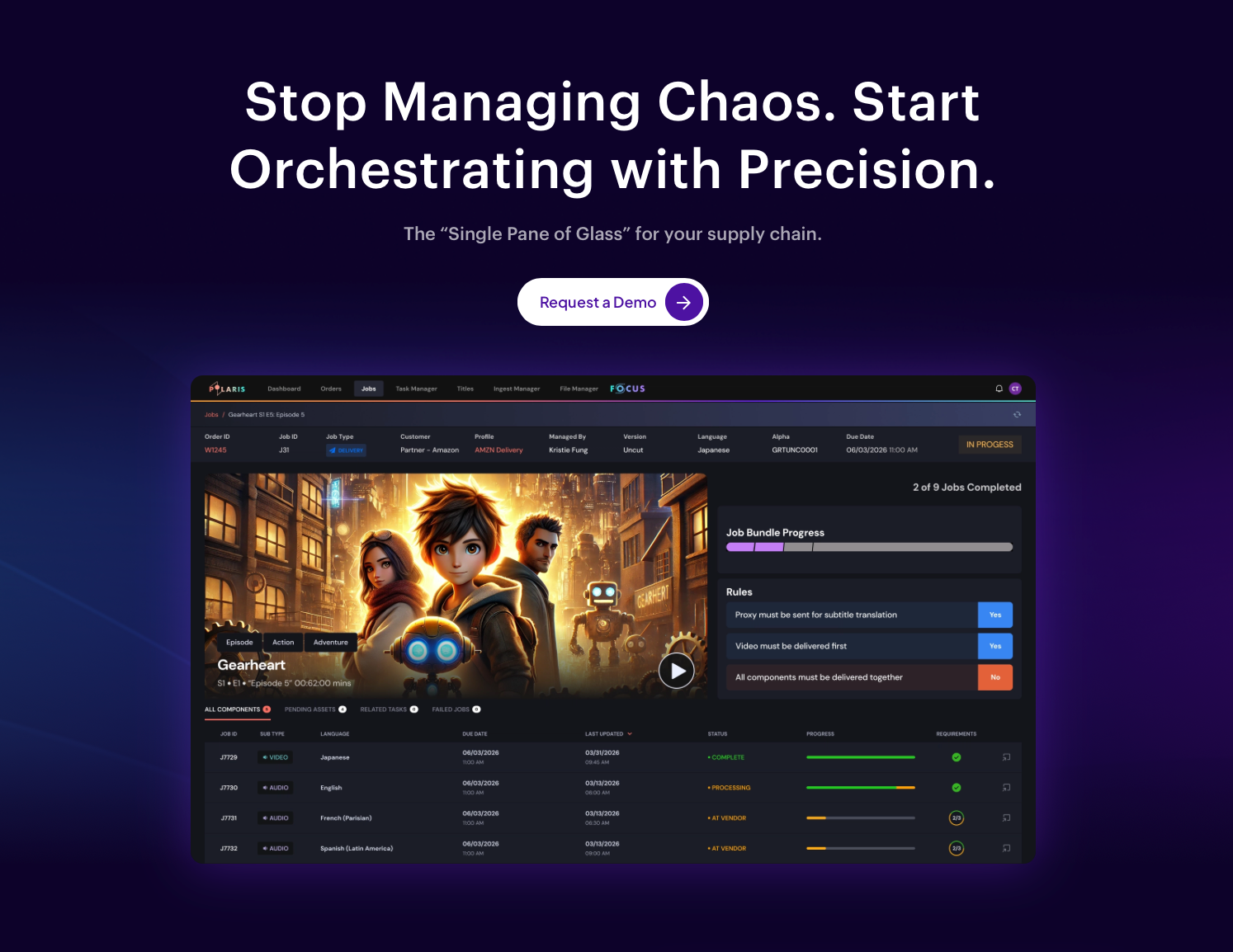
From there, I directed a full brand refresh. That included an all-new website with new storytelling and copy throughout. It also included a series of upper-funnel brand videos that debuted at NAB 2026.
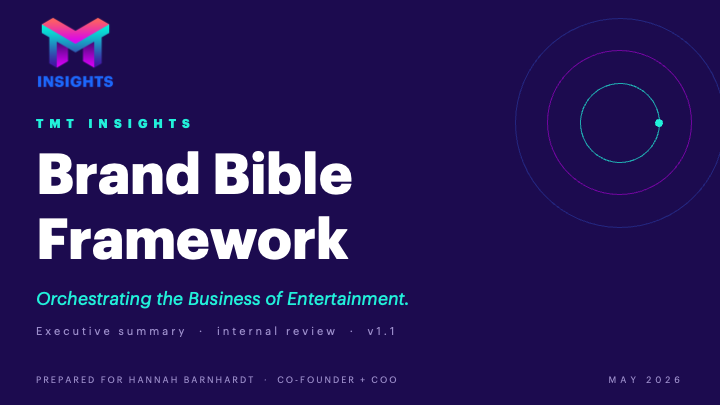
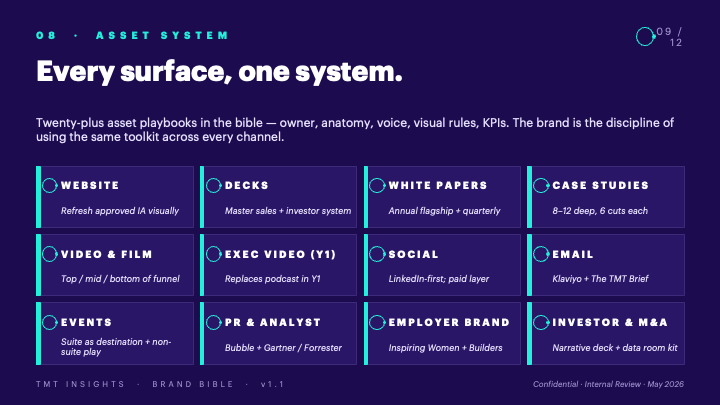
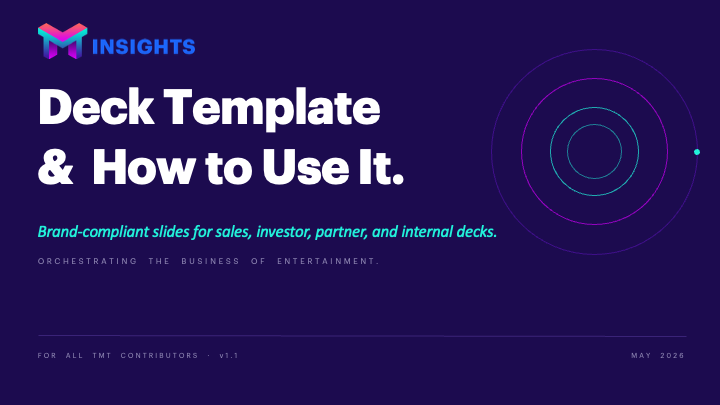
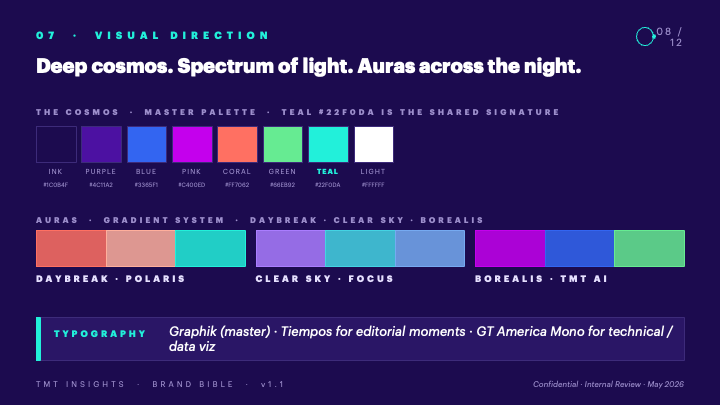
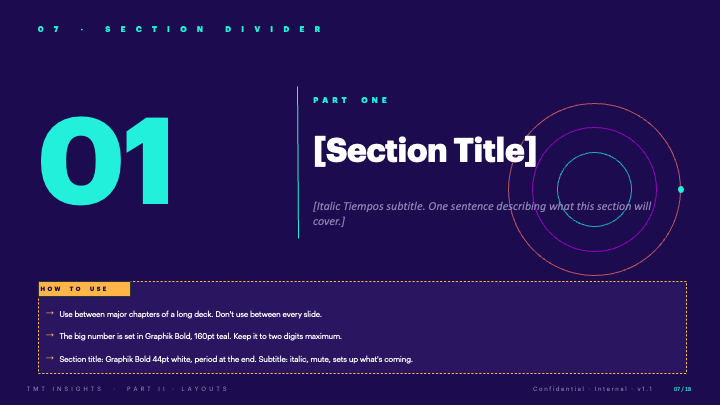
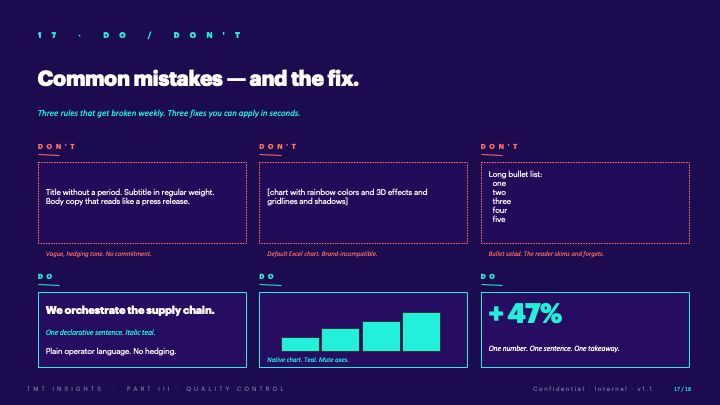
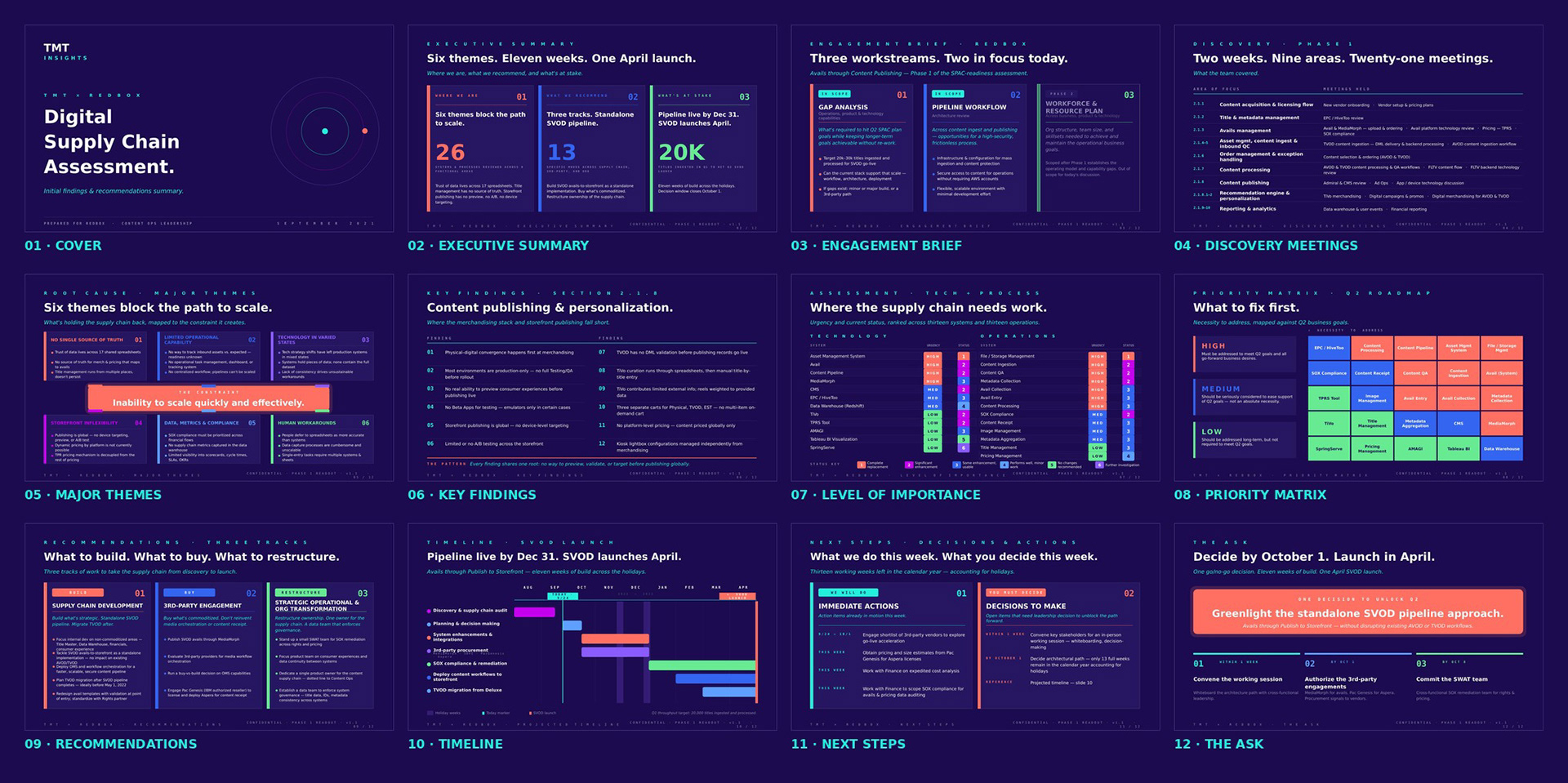
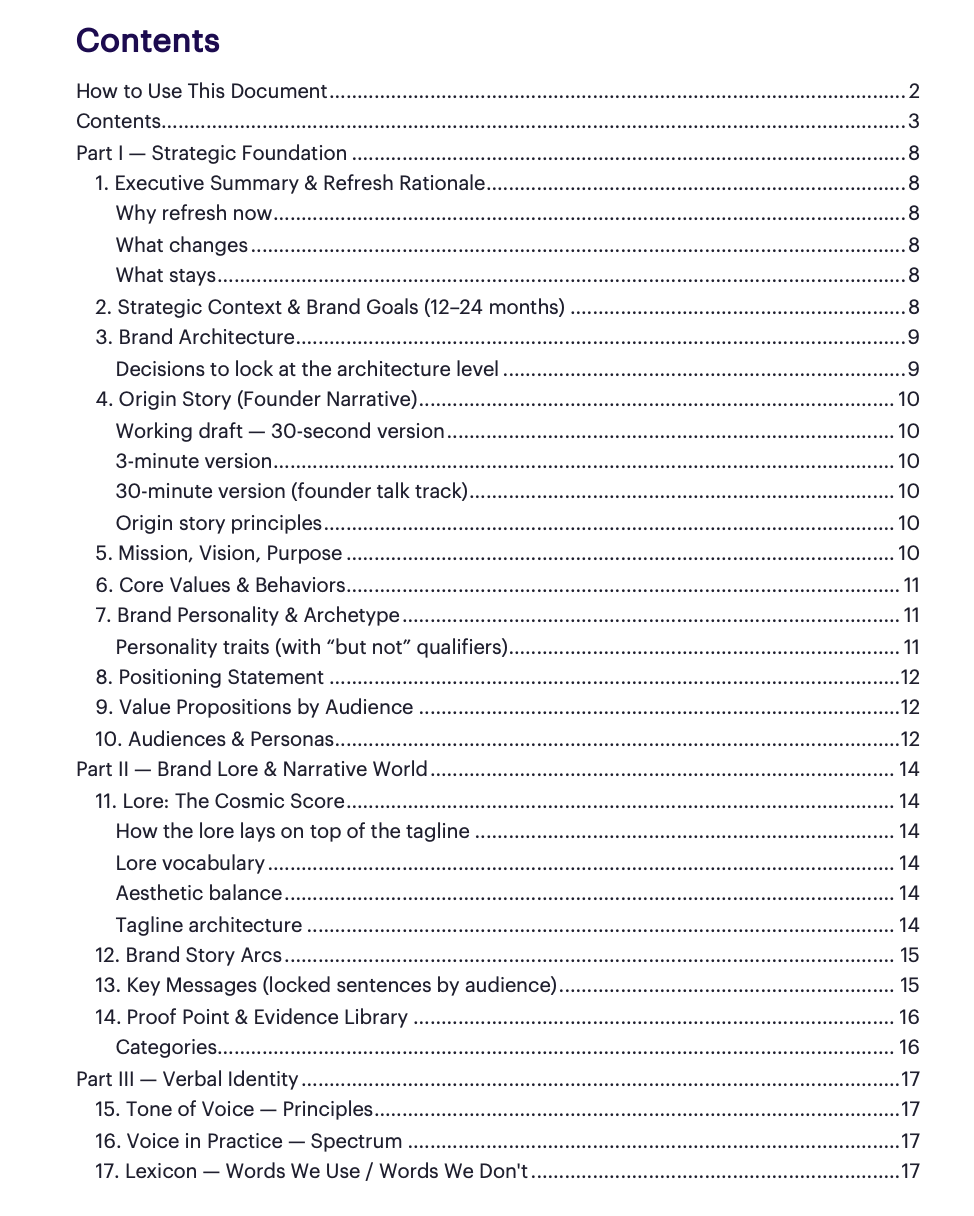
To make the refresh last, I built new brand guidelines covering voice, tone, and expression, along with typography and a color palette. I also created new presentation deck templates and usage rules. Those standards then expanded to email, social, and events, so the brand showed up the same way everywhere.
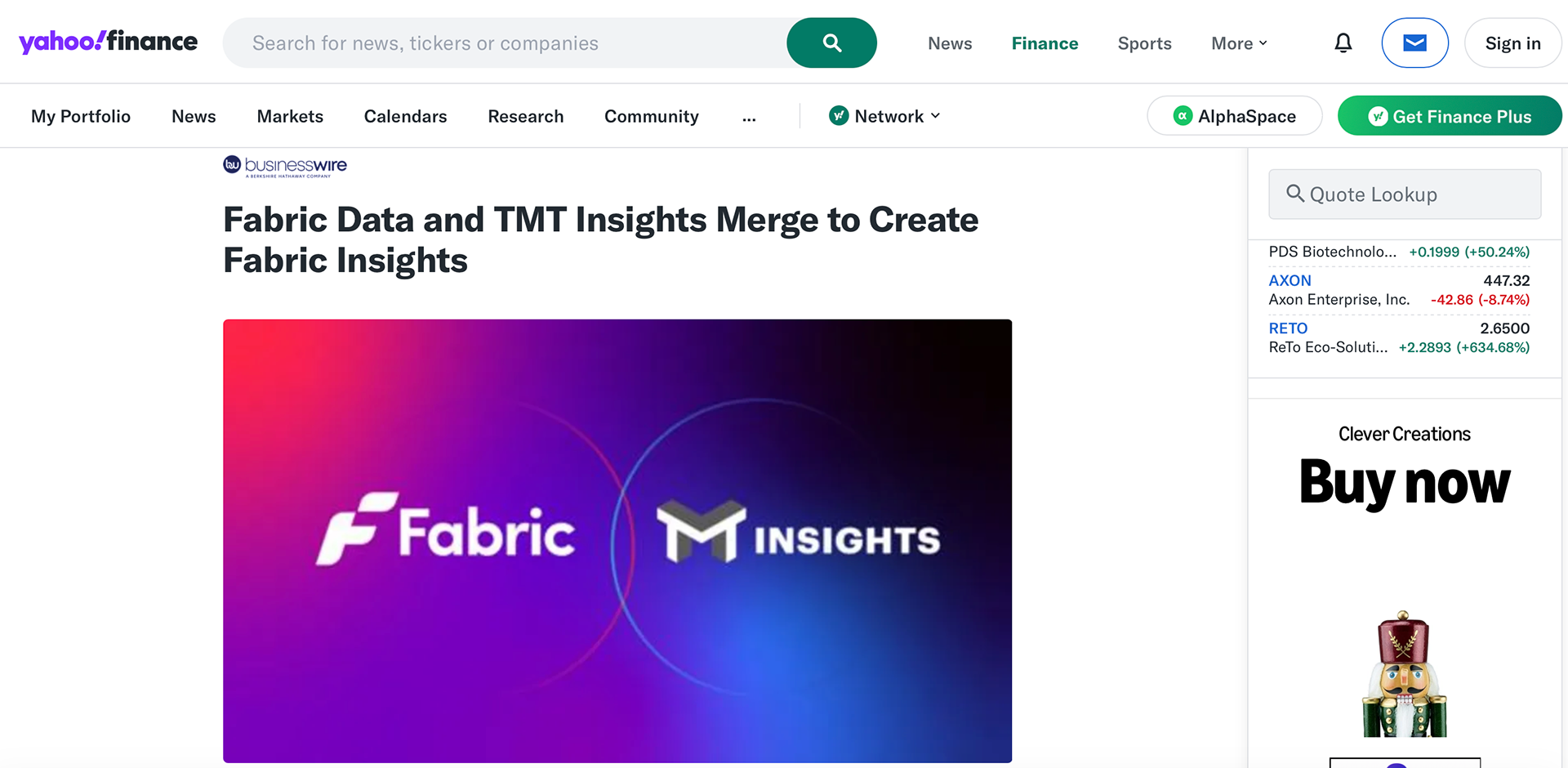
Result: In September 2026, TMT Insights and Fabric Data announced a merger to form Fabric Insights, owned by shareholders including TMT's founders and Banneker Partners. The new company's positioning centers on intelligent orchestration, the same idea at the heart of the TMT brand narrative. In the announcement, TMT was defined by the orchestration layer it brings to the combined company.
A brand is more than how a company looks. It shapes how the market values it. Within a year, the story we built became the foundation of a new company.
Reflection: The most important thing I made at TMT Insights wasn't the website, the videos, or the guidelines. It was the sentence underneath all of them. Once "we orchestrate the business of entertainment" was in place, every other decision got easier, because each one could be measured against a single idea.
This project also confirmed something I believe about B2B brands: people often treat brand work as surface-level, but a clear story shapes how a company understands itself as much as how others see it. Watching the orchestration idea carry into the Fabric Insights announcement showed me how far that can go.